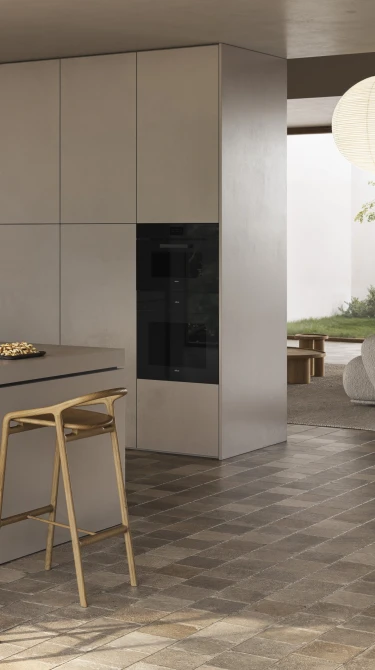
How much energy does an electric oven use, and tips for saving energy
The electric oven is one of the most frequently used appliances in the kitchen and plays a key role in preparing a wide range of recipes, from everyday meals to special occasions. Precisely because of how often it is used, it is natural to wonder how much energy an electric oven uses and what steps can help you use energy more efficiently.
In reality, energy consumption depends on several factors: the model’s specifications, the set temperature, the cooking time and how it is used. Understanding these aspects allows you to adopt more informed habits and optimise the use of the appliance without compromising on performance.
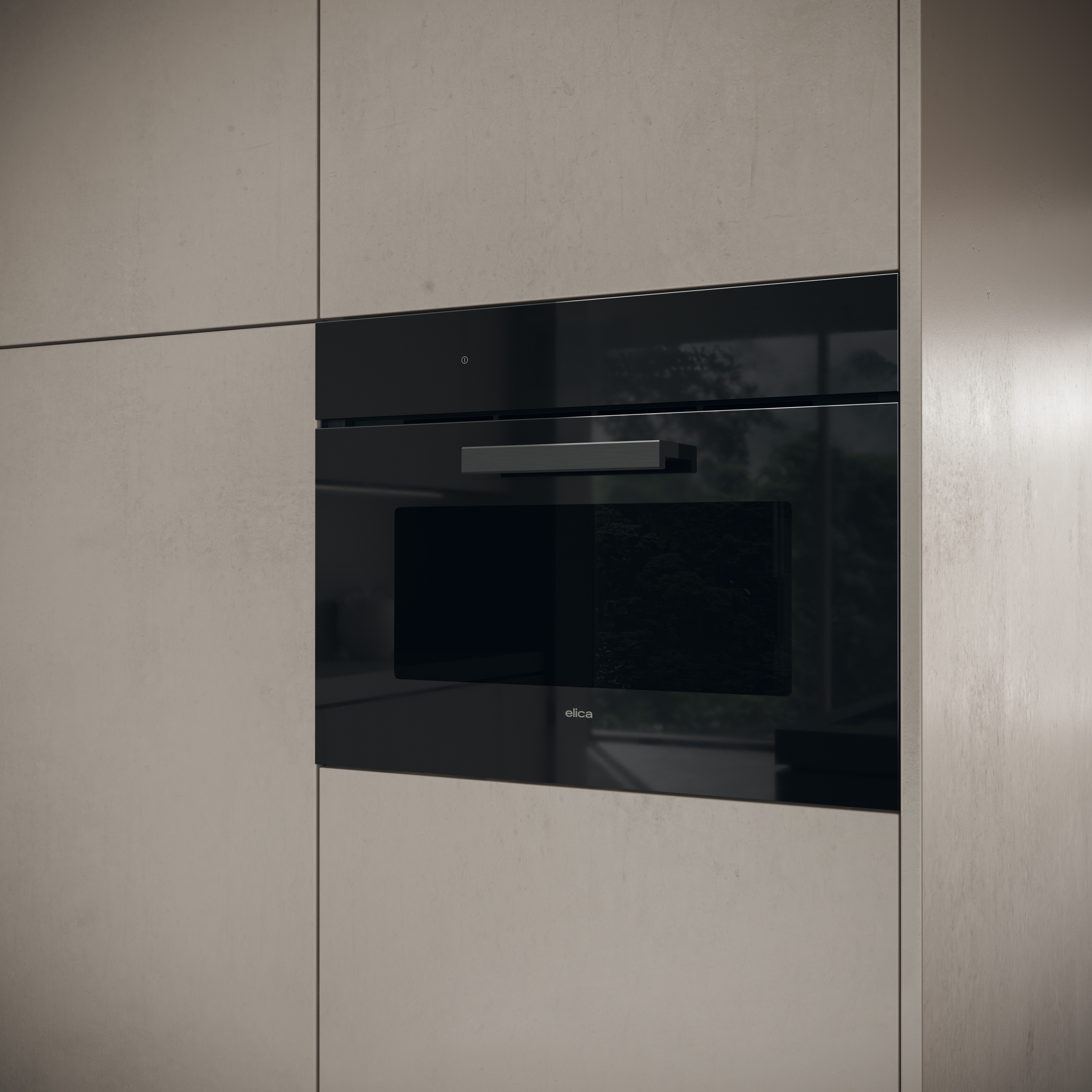
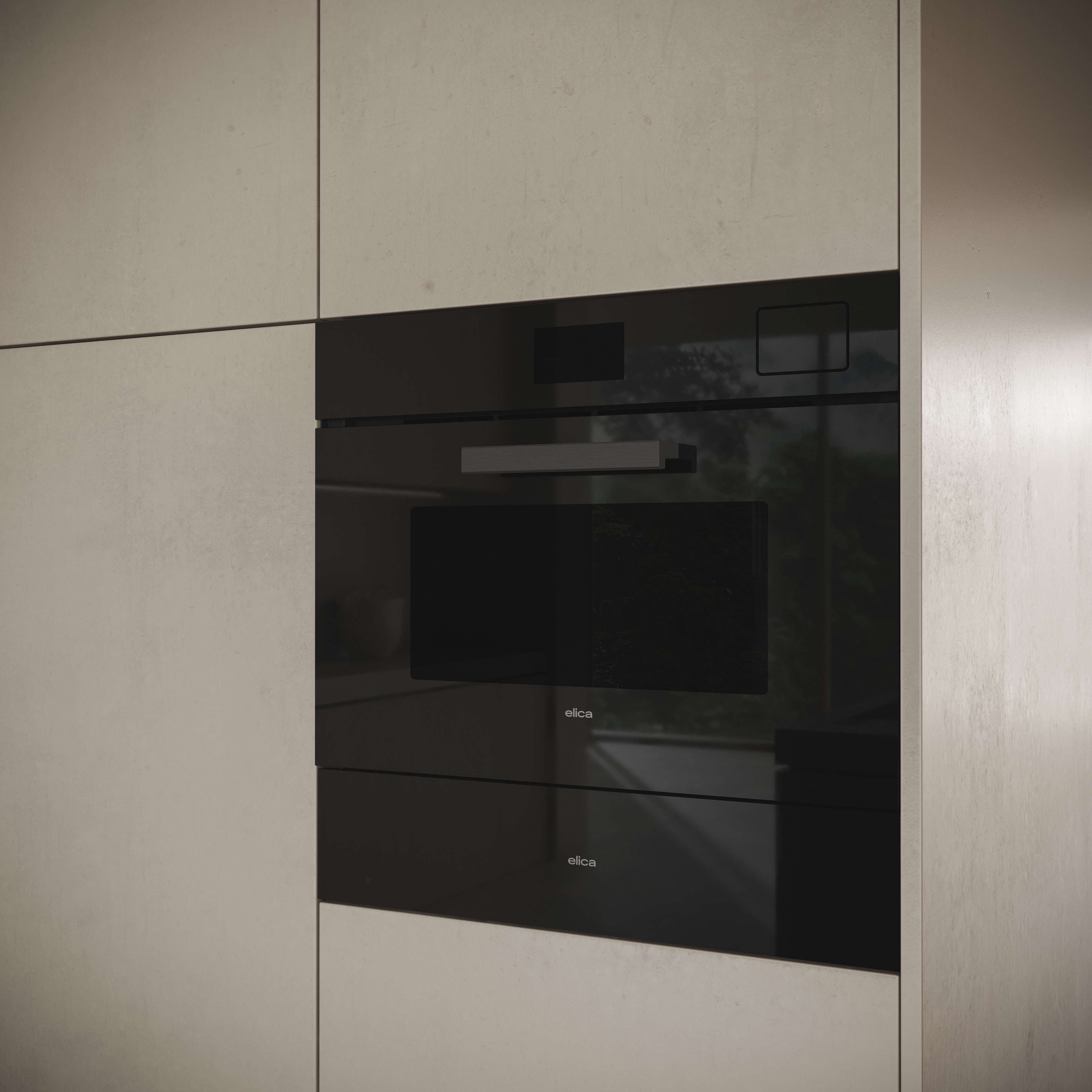
What factors influence the energy consumption of an electri
When it comes to the energy consumption of electric ovens, there is no single figure that applies to all models. Energy efficiency can, in fact, vary depending on a number of factors.
Among the main factors affecting energy consumption are:
-
the oven’s energy efficiency class;
-
the capacity of the oven cavity
-
the selected temperature;
-
the cooking time;
-
the frequency of use;
-
the available cooking modes.
Generally speaking, higher temperatures and longer operating times require greater energy consumption.
Electric oven: wattage and installed power
The power of an electric oven is generally expressed in watts (W) or kilowatts (kW) and represents the amount of energy that the appliance can draw whilst in operation.
Domestic models may have different values depending on their size, built-in technologies and the functions available. To find out the specific figure, it is always advisable to consult the product’s technical specifications or the energy label.
It is important to remember that the installed power does not necessarily correspond to the actual energy consumption during each use, which also depends on the cooking time and the settings selected.
Electric oven energy consumption at 250 degrees: what you need to know
High temperatures generally require greater energy consumption than cooking at more moderate temperatures. However, overall energy consumption also depends on the time taken to complete the preparation.
Some recipes require particularly high temperatures for relatively short periods, whilst others involve longer cooking times at lower temperatures. For this reason, it is always advisable to follow the recipe instructions and use the temperature actually required to achieve the desired result.
Energy-efficient electric oven
Anyone looking for an energy-efficient electric oven may wish to consider a number of factors that help improve the appliance’s energy efficiency.
Among the most important features are:
-
a good energy efficiency rating;
-
systems for even heat distribution;
-
optimised cooking programmes;
-
effective insulation of the oven cavity;
-
technologies designed to improve efficiency during use.
The latest solutions allow you to manage the cooking process more precisely, helping to optimise cooking times and energy consumption.
How to save energy with an electric oven
As well as the product’s features, your day-to-day habits can also make a difference. Knowing how to save energy with an electric oven means adopting small measures that help you use energy more efficiently.
Limit the number of times you open the door
Every time you open the door, heat is lost. Where possible, it is best to check on the food through the glass in the door.
Make the most of multi-level cooking
In fan-assisted models, it is often possible to cook several dishes at the same time, optimising the oven’s performance and reducing the number of cooking cycles.
Only preheat when necessary
Not all dishes require a long preheating time. Following the recipe’s instructions can help avoid unnecessary energy consumption.
Make the most of residual heat
Turning off the oven a few minutes before the end of cooking often allows you to make use of the heat accumulated inside the oven cavity.